Welcome to the ultimate guide on small business insurance! If you’re a small business owner, navigating the world of commercial insurance can feel like wandering through a labyrinth. With so many options, figuring out what’s essential can be daunting. But fear not, because we’ve got the roadmap to help you find your way.
In this guide, we’ll break down the crucial elements of small business insurance. We’ll dive into the specifics of different policies, explore their benefits and coverage, and provide practical tips to ensure your business is adequately protected. So, grab a coffee, and let’s unlock the secrets of small business insurance together!
Overview of Small Business Insurance
Did you know that 40% of small businesses never reopen after a disaster? That’s where small business insurance comes in. It’s your safety net when things go south.
Small business insurance is not just a nice-to-have; it’s a must-have. It protects you from the unexpected, like lawsuits or natural disasters. Without it, you could be gambling with your entire business.
Types and Benefits of Small Business Insurance
There are several types of insurance policies tailored for small businesses. Let’s break them down:
| Type | Benefits | Coverage Details |
|---|---|---|
| General Liability Insurance | Protects against claims of bodily injury or property damage. | Covers legal fees, settlements, and medical expenses. |
| Property Insurance | Safeguards your physical assets from damage or loss. | Includes coverage for fire, theft, and natural disasters. |
| Workers’ Compensation | Ensures your employees are taken care of if they’re hurt on the job. | Covers medical bills and lost wages during recovery. |
Having the right insurance can mean the difference between sinking or swimming in a crisis. Here is the deal: insurance may seem like an extra expense, but it’s an investment in your business’s longevity.
Pro Tip: Bundle your insurance policies for a discount and streamlined management.
Step #1: Identify your business’s specific risks. Step #2: Choose the right mix of policies to cover those risks. With the right coverage, you’ll not only comply with the law but also enjoy peace of mind.
Key Components of a Small Business Insurance Policy
Did you know that 40% of small businesses will file an insurance claim within the next 10 years? Shocking, right? But to be ready when disaster strikes, you need to know the nuts and bolts of a small business insurance policy.
Understanding these key components can save your business from a financial wreck. Let’s dive into the essentials.
General Liability Insurance
Think of General Liability Insurance as your business’s shield. It covers a wide range of potential threats, from bodily injury to property damage. If someone slips in your store, this insurance kicks in.
But it’s not just about physical accidents. It also protects against slander and libel claims. So, if a competitor accuses you of defamation, your policy has your back.
Always check the terms and conditions: Look for exclusions and limitations that could leave you unprotected.
Property Insurance
Your business property is more than just a space—it’s an investment. Property Insurance secures this investment by covering damages caused by fire, theft, or natural disasters. Imagine waking up to a flooded office. Without proper coverage, you’re on your own.
Here’s the deal: Not all policies are created equal. Some might not cover floods or earthquakes unless you add them on. Evaluate your local risks and customize accordingly.
Evaluating the Right Coverage Amounts
How do you determine the right coverage amounts for your small business? It’s crucial to assess your business size, industry, and potential risks. Here’s how:
- Calculate the total value of your assets. Include buildings, equipment, and inventory.
- Consider your business’s liability exposure. Higher risk industries need more coverage.
- Review past claims. History can guide you to the right coverage levels.
Pro Tip: Regularly review and adjust your coverage. As your business grows, so do your risks.
Advantages of Commercial Insurance for Small Businesses
Did you know that 40% of small businesses never reopen after a disaster? Surprising, right? Here’s why commercial insurance is a game-changer for your small business.
Commercial insurance acts as a safety net, offering protection against unexpected events that can devastate your business. It provides financial stability by covering losses, allowing you to bounce back quickly. When disaster strikes, having the right insurance means you won’t face it alone.
Key Advantages of Commercial Insurance
Here’s the deal: commercial insurance offers a host of benefits that can keep your business running smoothly. It covers property damage, liability, and even employee-related risks. Imagine not having to worry about a lawsuit thanks to solid liability coverage. Sound good?
- Protection against natural disasters
- Liability coverage for accidents
- Coverage for business interruptions
- Employee protection and worker’s compensation
- Peace of mind for business owners
Comparing Individual Policy Benefits
Not all policies are created equal. Let’s break down the benefits in a way that’s easy to digest:
| Benefit | General Liability Insurance | Property Insurance | Business Interruption Insurance |
|---|---|---|---|
| What it covers | Third-party bodily injury, property damage | Damage to business property | Loss of income during downtime |
| Who needs it | All businesses | Businesses with physical assets | Businesses relying on location or equipment |
| Why it matters | Prevents costly lawsuits | Protects investment in assets | Keeps cash flow steady during crises |
Real-Life Scenarios: How Insurance Saves the Day
Let’s talk about real-life heroes: commercial insurance policies. Imagine your business gets hit by a flood. Without insurance, you’re looking at thousands in damages. But with property insurance, you can get back to business in no time. Or consider a customer injury in your store. Liability insurance steps in to cover legal fees and medical costs.
Pro Tip: Always review policy terms carefully to ensure comprehensive coverage tailored to your business needs.
From fire damage to cyber threats, insurance is the unsung hero that protects your small business dreams. So, are you ready to give your business the protection it deserves?
Crafting a Custom Insurance Plan for Small Businesses

Did you know that 40% of small businesses will experience a property or liability loss in the next 10 years? This staggering stat makes it clear: a one-size-fits-all insurance policy just won’t cut it for small businesses. You need something tailored, just for you.
Here’s the deal: designing a custom insurance plan isn’t just about ticking boxes. It’s about strategically assessing risks and aligning coverage with those specific needs. Let’s dive into how you can craft a bespoke policy that gives you peace of mind while protecting your venture.
Step #1: Assess Your Business Risks
Start by identifying potential risks unique to your business. Are you running a bakery? Then consider risks from kitchen fires. Own a tech startup? Cyber threats might be your biggest concern. Once identified, rank these risks based on potential impact.
Pro Tip:
Use a risk matrix to visualize and prioritize risks effectively.
This will help you focus on the most critical areas first.
Step #2: Determine Necessary Coverage
Once risks are assessed, align them with the right insurance coverage. For instance, cyber insurance for tech firms or liability insurance for service providers. Don’t forget business interruption insurance to cover unforeseen events that halt your operations.
Here’s the deal: Compare policies from different providers. Create a table listing premium costs, coverage limits, and exclusions to find the best fit for your needs.
Step #3: Negotiate Favorable Terms
Insurance terms can seem set in stone, BUT you have more leverage than you think. Contact multiple insurers and get quotes. Use their competition to your advantage to negotiate better terms. Be sure to ask about discounts for bundling policies.
Pro Tip:
Always read the fine print or consult a broker to avoid hidden clauses.
This can save you headaches and money in the long run.
Step #4: Regularly Review and Update Your Plan
Your business isn’t static, and neither should be your insurance plan. Set a schedule to review your policy annually. Look for changes in your business that might require adjustments in coverage.
Remember: As your business grows, so do your risks. Keeping your insurance plan updated ensures you’re always covered.
Common Mistakes in Small Business Insurance
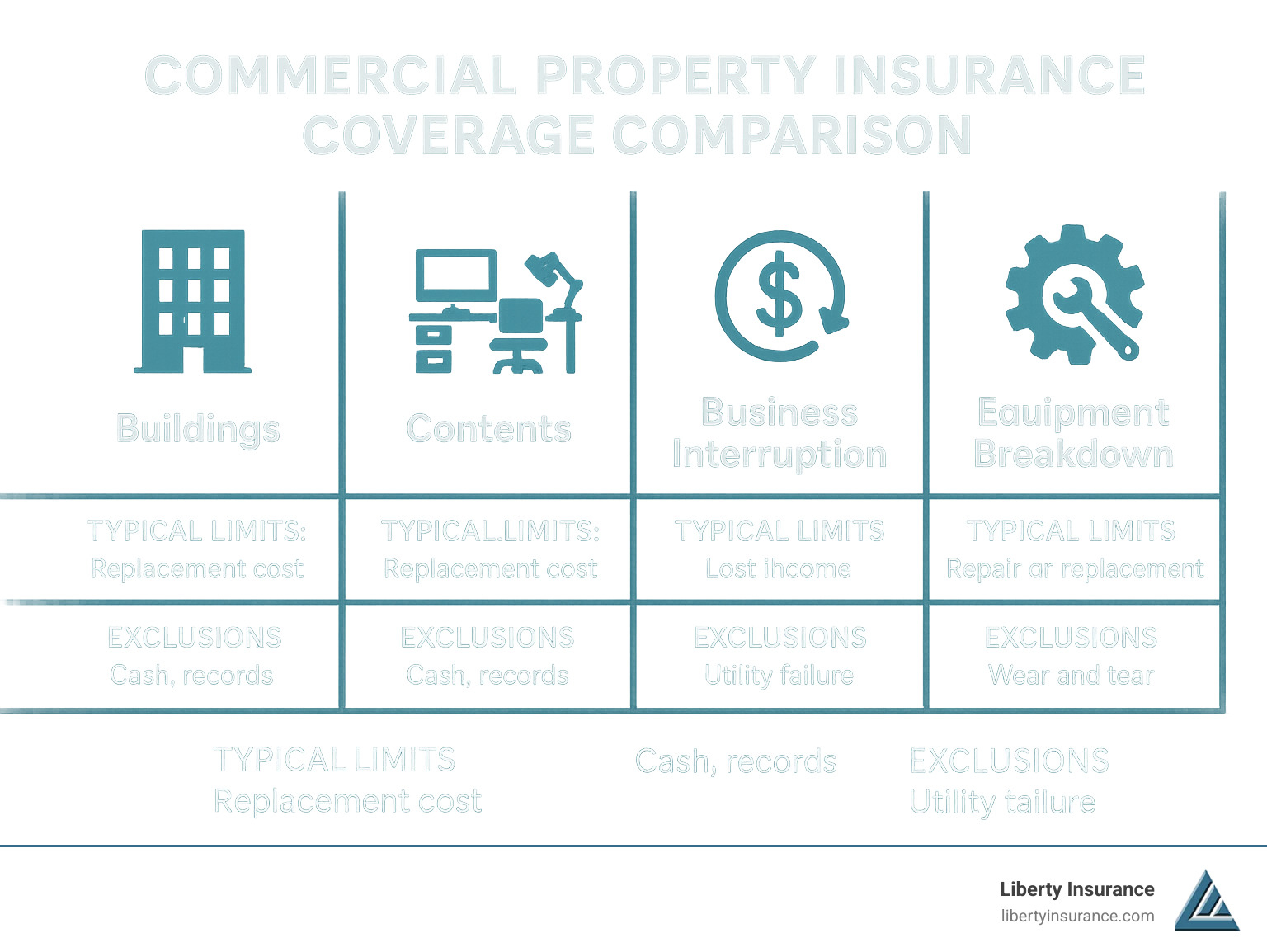
Did you know that nearly 40% of small businesses never reopen after a natural disaster? That’s a scary stat. But here’s the deal: many of these closures could have been avoided with the right insurance coverage.
Small business insurance is crucial, but many entrepreneurs make avoidable mistakes that can cost them big time. Let’s address these common errors and how you can steer clear of them.
Failing to Understand Policy Details
One major mistake is not fully understanding your insurance policy. If you don’t know what’s covered, you might as well not be covered at all.
- Read the fine print carefully to ensure you know what’s included and excluded.
- Ask your agent specific questions. Don’t assume anything.
- Consider seeking professional advice if you’re unsure about any terms.
Proper understanding of your policy can save you from unexpected financial burdens.
Underinsuring Your Business
Underinsurance is like having a leaky umbrella: it’s not going to keep you dry when the storm hits.
- Conduct annual reviews to update your policy limits to match your current business size and assets.
- Include business interruption coverage to handle income loss during downtime.
Pro Tip: Always insure your major assets at their replacement cost, not their current value.
This ensures you can replace them without incurring additional expenses.
Overlooking Liability Risks
Liability issues can sink a business faster than you think. Ignoring them is a common oversight.
- Invest in general liability insurance, especially if you interact with clients or customers.
- For businesses with a digital presence, cybersecurity insurance is a must-have to cover potential data breaches.
- Don’t forget about professional liability insurance if you provide expert services or advice.
These coverages shield your business from lawsuits and other legal troubles.
Neglecting to Update Policies
Businesses evolve, and so should their insurance policies. But many fail to update them.
- Reassess your coverage needs annually or whenever you make significant business changes.
- Include new equipment, facilities, or services to your existing policies.
- Keep your insurer informed about new risks or business activities.
Updating your policy ensures continuous protection as your business grows.
How to Choose the Right Insurance Provider
Do you know that 40% of small businesses don’t reopen after a disaster? Choosing the right insurance provider can make or break your business in a crisis.
With so many options out there, it’s easy to get overwhelmed. Here is the deal: finding the right provider is crucial for safeguarding your business. Let’s break down how you can make an informed decision.
Factors to Consider When Selecting an Insurance Provider
Not all insurance providers are created equal. Reputation is one of the first things you should consider. Look for companies with a solid track record of handling claims efficiently. Financial stability is another critical factor. You don’t want to be stuck with a provider that can’t pay out when you need it most.
Pro Tip: Always check the credit rating of your potential insurance provider. A rating of ‘A’ or higher is a good indicator of financial stability.
The Process of Researching and Comparing Insurers
It’s tempting to go with the first insurer you find. BUT, you’ll want to dig deeper to ensure you get the best coverage. Start by gathering information from multiple providers. Create a comparison table to evaluate them side by side.
| Provider | Reputation | Financial Stability | Coverage Options | Customer Service |
|---|---|---|---|---|
| Provider A | Excellent | A+ | Comprehensive | 24/7 |
| Provider B | Good | A | Standard | Business Hours |
The Importance of Reading and Understanding Policy Terms
Reading the fine print is non-negotiable. You’d be surprised at what some policies hide in the details. Make sure you understand what is covered, what isn’t, and any exclusions that might apply.
Pro Tip: Always ask for a sample policy before purchasing. This helps you see the exact terms and conditions.
Checklist for Selecting Providers
Before you finalize your choice, run through this checklist to ensure you’ve covered all your bases:
- Check the insurer’s reputation and reviews
- Verify financial stability
- Understand the coverage options and limitations
- Assess the quality of customer service
- Request and review a sample policy
- Compare policy terms and premiums
Conclusion
By now, it should be clear that having the right insurance is not just a safety net; it’s a smart business strategy. With the right coverage, you can confidently steer your business toward success, knowing you’re protected against the unexpected. Remember, insurance isn’t just an expense—it’s an investment in the future of your business.
Frequently Asked Questions
What are the three main types of insurance every small business should consider?
The three main types of insurance for small businesses are general liability insurance, property insurance, and workers’ compensation insurance.
Why is commercial insurance important for small businesses?
Commercial insurance is crucial as it provides financial protection against unforeseen events, legal claims, and potential business interruptions.
How can I assess the right coverage amount for my small business?
To assess the right coverage, evaluate your business risks, consider asset values, and consult with insurance professionals to tailor a plan that fits your needs.
What mistakes do small businesses commonly make when getting insurance?
Common mistakes include underestimating coverage needs, not updating policies regularly, and choosing insurance based solely on price.
How do I choose the right insurance provider for my small business?
Consider factors like the provider’s reputation, financial stability, customer service, and policy offerings. Use a checklist to compare options and ensure they meet your business needs.
What is the benefit of having tailored insurance coverage?
Tailored insurance coverage ensures your specific business risks are covered, providing peace of mind and financial security.
Can commercial insurance protect my business from lawsuits?
Yes, certain types of commercial insurance like general liability insurance can provide coverage for legal expenses and settlements.
