Picture this: You’re cruising through the beautiful roads of North Carolina, basking in the state’s charm. But there’s one thing on your mind—how can you secure the best insurance rates in NC? Whether you’re a lifelong resident or new to the state, understanding insurance can be like navigating a labyrinth. Fear not, as we’ve crafted this guide to illuminate the path to affordable protection.
In this article, we’re diving deep into the world of insurance in North Carolina. From understanding the factors that shape rates to comparing providers and uncovering hidden discounts, consider this your ultimate roadmap to securing the coverage you need at prices that won’t break the bank. Let’s get started!
Understanding Insurance Rates in NC
Did you know that the average insurance rate in North Carolina is lower than the national average? BUT, if you dig deeper, you’ll find a web of factors that influence your premium.
In North Carolina, your insurance rate is influenced by several factors, including your driver’s record, credit score, and the type of vehicle you drive. Each of these plays a crucial role in how much you end up paying.
Geographic Location Matters
Where you live within North Carolina can cause your insurance rates to skyrocket or plummet. Urban areas like Charlotte or Raleigh typically have higher premiums due to increased traffic and accident rates. On the flip side, rural areas often enjoy lower rates.
Here’s the deal: If you’re living in a coastal area, expect a bump in your insurance costs due to the risk of hurricanes and flooding. Insurance companies look at these geographical risks when calculating your premium.
Impact of State Regulations
North Carolina state regulations are a significant player in determining insurance rates. The state mandates certain minimum coverage levels, which can directly impact your costs. Also, the North Carolina Rate Bureau helps set standards for pricing, ensuring fair play between insurance providers and consumers.
Pro Tip: Familiarize yourself with NC’s minimum coverage requirements to avoid unexpected costs.
Comparing Average Insurance Rates in Major NC Cities
Let’s break down the average insurance rates in some of North Carolina’s major cities. Understanding these differences can help you make more informed decisions.
| City | Average Annual Premium |
|---|---|
| Charlotte | $1,234 |
| Raleigh | $1,187 |
| Greensboro | $1,045 |
| Wilmington | $1,320 |
| Asheville | $1,033 |
Notice the variation? That’s the result of geography, population density, and local regulations. Keep these factors in mind when you’re on the hunt for the best rates.
Types of Insurance Available in NC
Ever wondered how many types of insurance you actually need? In North Carolina, the answer might surprise you. You have a wide range of insurance policies available, each tailored for specific needs.
Understanding these options can save you money and headaches. Let’s dive into the various types of insurance policies you can snag in North Carolina, their benefits, drawbacks, and what you absolutely must have if you’re hitting the road.
Common Insurance Types in North Carolina
When it comes to securing yourself and your assets, North Carolina doesn’t skimp on options. From health insurance to homeowners insurance, there’s a plethora of policies you can grab. But here’s the deal: not all of them are created equal.
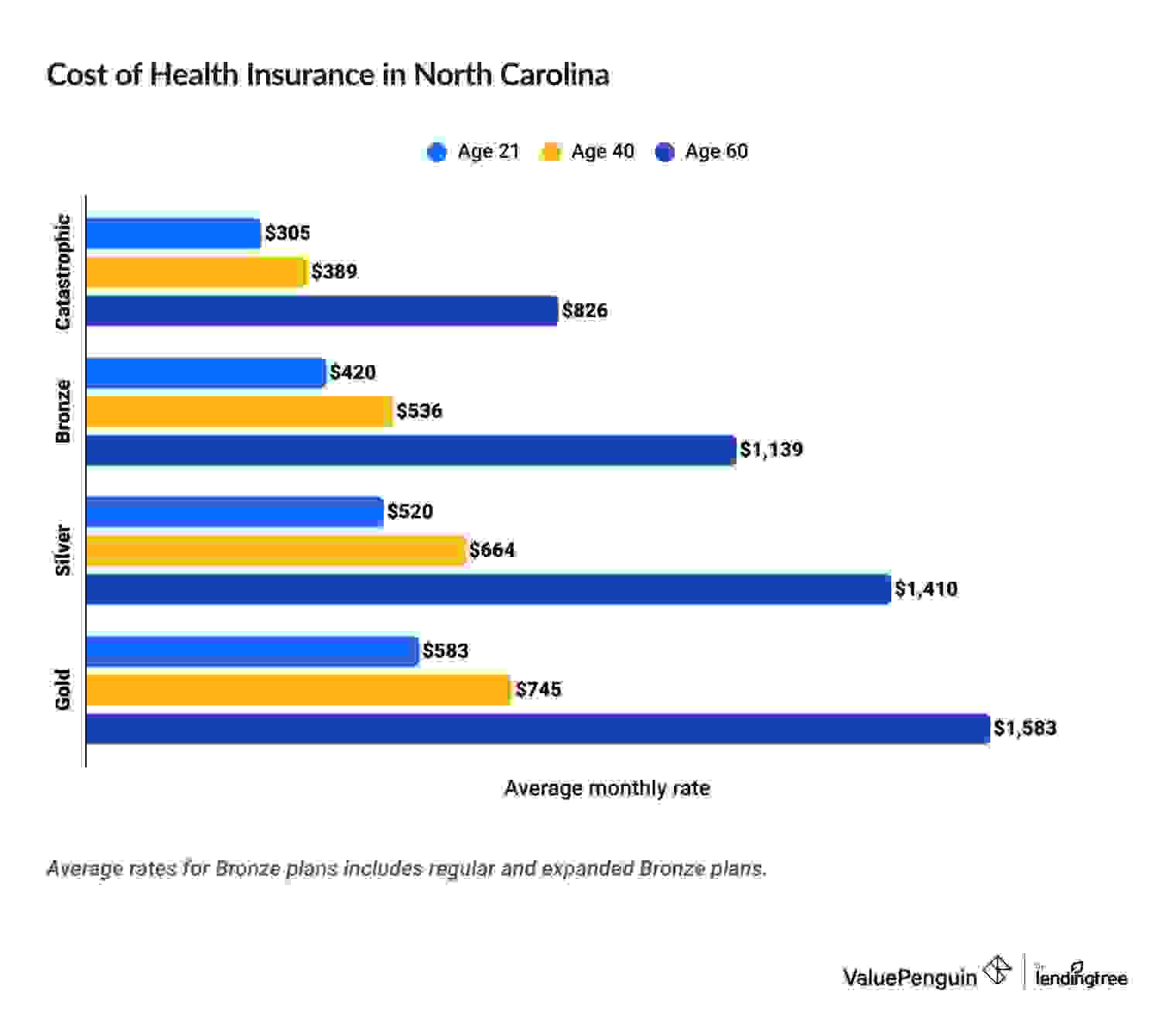
Health Insurance can be a lifesaver, literally. It covers medical expenses and sometimes even preventative care. But, premiums can be sky-high, especially if you don’t get it through an employer.
Homeowners Insurance is mandatory for mortgage holders. It protects against damage or disasters, but watch out—flooding isn’t covered unless you opt for additional flood insurance.
Here’s a quick breakdown:
| Type | Duration | Benefits |
|---|---|---|
| Health Insurance | Annual | Covers medical expenses |
| Homeowners Insurance | Annual | Protects home and belongings |
| Auto Insurance | 6 or 12 months | Liability and damage coverage |
Vehicle Insurance Necessities
Driving in North Carolina? You’re going to need auto insurance. It’s the law, and trust me, you don’t want to get caught without it.
Your auto insurance policy must include liability coverage to cover injuries and damages to others if you’re at fault. But that’s not all—North Carolina also requires uninsured motorist coverage. This ensures you’re protected if the other driver doesn’t have insurance.
Pro Tip: Always opt for higher coverage than the minimum required. It might cost more upfront but can save you thousands in the long run.
So, there you have it. The insurance landscape in North Carolina is vast, but knowing what you need can put you miles ahead. Ready to get covered?
Finding the Best Insurance Providers in NC
Did you know that the right insurance provider can save you hundreds of dollars each year? But with so many choices in North Carolina, pinning down the best one can feel like searching for a needle in a haystack.
Here’s the deal: not all insurance providers are created equal. Some offer better customer service, while others provide more competitive rates. Your goal? To find the sweet spot between cost and quality.
Top Insurance Providers in North Carolina
To kick things off, here’s a quick rundown of the leading insurance providers you should consider in NC:
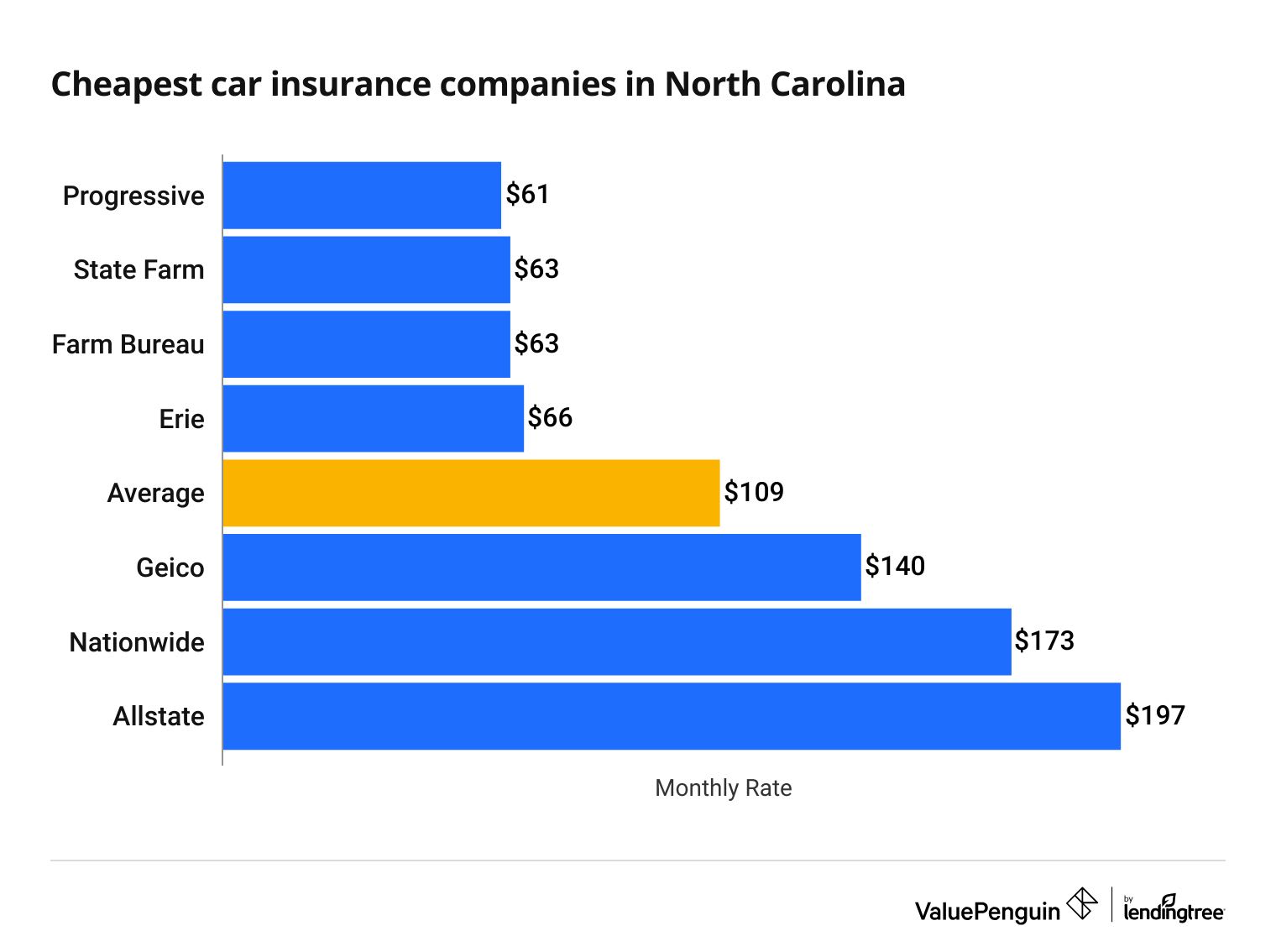
- State Farm: Known for exceptional customer service and a wide range of policies.
- Nationwide: Offers highly customizable insurance options and a strong local presence.
- GEICO: Best for budget-conscious customers, famous for their competitive pricing.
- Farm Bureau Insurance: A top choice for homeowners and those who prefer local agents.
- Progressive: Popular for auto insurance and their cutting-edge online platform.
Comparing Customer Satisfaction and Pricing
When it comes to picking an insurance provider, two things matter most: customer satisfaction and pricing strategies. Check out this comparison:
| Provider | Customer Satisfaction | Pricing |
|---|---|---|
| State Farm | 4.6/5 | Moderate |
| Nationwide | 4.3/5 | Moderate |
| GEICO | 4.0/5 | Low |
| Farm Bureau Insurance | 4.5/5 | Moderate |
| Progressive | 4.2/5 | Low |
Evaluating Reliability and Customer Service
Think about this: How do you really know if an insurance provider is reliable? Here are a few methods:
- Check online reviews on platforms like Trustpilot and the Better Business Bureau.
- Speak with current policyholders to get firsthand accounts of their experiences.
- Evaluate the provider’s claim settlement ratio; a higher ratio means better reliability.
- Look at the provider’s financial strength rating through agencies like A.M. Best.
Tips for Negotiating Better Insurance Rates
You might think that insurance rates are set in stone, but there are ways to negotiate better deals. Here’s how:
- Bundle your policies (e.g., auto and home) to receive discounts.
- Ask for discounts based on your driving history or vehicle safety features.
- Review your policy annually and negotiate any potential rate increases.
- Pro Tip:
Always compare quotes from multiple providers before renewing your policy.
Discounts and Savings Opportunities
Did you know that many North Carolinians are overpaying for insurance? The truth is, there are tons of discounts and savings opportunities right under your nose.
Understanding these options can dramatically cut your insurance costs. From good driver discounts to bundling home and auto policies, let’s break down how you can save big.
Common Discounts Offered by NC Insurance Companies
Insurance companies in North Carolina offer a bunch of discounts that can help you save. These include multi-policy discounts, safe driver discounts, and even discounts for being a good student.
Here is the deal: Insurance companies want to reward low-risk clients. If you haven’t had an accident or claim in the last few years, you’re likely eligible for a safe driver discount. Plus, if you’re insuring more than one vehicle or bundling home and auto insurance, you’ll see those rates drop.
Eligibility Criteria for Various Insurance Discounts
Wondering if you qualify for these discounts? Eligibility criteria can vary widely.
- You need a clean driving record for a safe driver discount.
- Students with a GPA of 3.0 or higher can snag a good student discount.
- If you own a home security system, you might get a homeowner’s insurance discount.
Examples of Bundling Options Leading to Savings
Bundling your insurance policies is one of the fastest ways to save. By combining home and auto insurance, you could cut your premium by up to 25%.
Pro Tip: Always ask your insurer about additional bundling options like adding a life insurance policy.
These bundles not only save you money but also simplify your billing and policy management.
Step-by-Step Guide to Applying for Insurance Discounts
Ready to apply for these savings? Follow these steps:
- Review your current insurance policies and identify potential discounts.
- Contact your insurance provider to inquire about available discounts.
- Provide any necessary documentation, such as proof of a good driving record or student grades.
- Consider switching providers if your current company doesn’t offer competitive discounts.
By diligently following these steps, you can ensure you’re not leaving money on the table.
Impact of Personal Factors on Insurance Rates
Did you know that your age, driving history, and even your credit score can significantly impact your insurance rates in North Carolina? If you’re aiming to get the best bang for your buck, understanding these factors is crucial.
Let’s dive into how these personal elements influence what you pay for coverage and where you can find opportunities to save.
How Age, Driving Record, and Credit Score Affect Insurance Rates
Insurance companies love data. And three pieces of data they look at are your age, driving record, and credit score. Younger drivers often pay more due to perceived risk, while a clean driving record can earn you lower premiums. BUT, if your credit score is less than stellar, expect to see a hike in your rates. Why? Insurers see a lower credit score as a potential risk for filing claims.
Pro Tip: Keep your credit score in check to potentially save hundreds on your policy.
Family Status and Its Impact on Insurance Costs
Your family status can also play a role in determining how much you pay. Married individuals or those with dependents might see different rates than singles. How does it all stack up? Take a look:
| Family Status | Average Premium Impact |
|---|---|
| Single | Higher |
| Married | Lower |
| With Dependents | Slightly Lower |
The Role of Education and Professional Affiliations
Did you know that your education level and professional affiliations can help you secure better insurance rates? Many insurers offer discounts to college graduates or members of certain professional organizations. Here is the deal: these factors are considered because they indicate a more stable lifestyle, translating to lower risk for insurers.
Impact of Home Ownership on Personal Insurance Premiums
Thinking of buying a home in NC? It might do more than just provide you with a place to live. Home ownership can actually impact your insurance premiums. Owners are often seen as more responsible and stable, which can lead to discounts on both auto and home insurance.
Pro Tip: Bundle your home and auto insurance for additional savings.
Strategies for Reducing Insurance Costs
Did you know that the average insurance premium in North Carolina could be slashed by up to 15% with a few smart moves? Let’s dive into some practical strategies you can use to lower those pesky premiums.
The secret sauce to cost-saving often lies in understanding and optimizing your policy. Many people pay more simply because they haven’t explored all their options.
Benefits of Increasing Deductibles
Here’s the deal: Increasing your deductible can significantly decrease your monthly premiums. When you opt for a higher deductible, you’re essentially taking on more risk, which translates to lower costs for the insurer. BUT, make sure you can afford the deductible amount in case you need to file a claim.
- Typical savings range from 10 to 30% on your premiums.
- A higher deductible means more responsibility but also rewards you with immediate savings.
Pro Tip: Always have an emergency fund to cover your deductible if needed.
Conducting Regular Policy Reviews
How often do you review your insurance policy? If it’s once in a blue moon, you’re missing out on potential savings. Conducting regular policy reviews ensures you’re not overpaying for coverage you don’t need or missing out on discount opportunities.
- Check for any redundant coverage or unnecessary add-ons.
- Compare your current policy with new offerings in the market.
- Negotiate with your insurance provider for better rates based on loyalty or improved personal factors.
Guide for Personal Insurance Needs Assessment
Assessing your personal insurance needs is step #1 in ensuring you’re not paying a dime more than necessary. By understanding exactly what you need, you can tailor your policy to fit like a glove, eliminating excess coverage.
| Insurance Type | Key Considerations |
|---|---|
| Auto Insurance | Vehicle age, daily mileage, driving record |
| Home Insurance | Home value, location, natural disaster risks |
| Health Insurance | Family size, health history, preferred providers |
Once you’ve nailed down your specific needs, you can confidently approach your provider to adjust your policy accordingly, saving you money and giving you peace of mind.
Final Summary
And there you have it—a thorough exploration of how to snag the best insurance rates in NC. By understanding what influences your premiums and leveraging strategies to negotiate better deals, you’re well on your way to becoming an insurance-savvy North Carolinian. Remember, the key is not just about finding coverage—it’s about finding the right coverage that fits your lifestyle and budget. Happy insuring!
Common Queries
What factors influence insurance rates in North Carolina?
Insurance rates in NC are affected by various factors, including geographic location, state regulations, and personal factors like age and driving record.
How does geographic location within NC affect insurance premiums?
Different areas in NC have varying risks of accidents and natural disasters, which can impact insurance premiums.
What types of insurance are available in North Carolina?
NC offers various insurance types such as auto, home, health, and life insurance, each with its unique benefits and drawbacks.
How can I find the best insurance providers in North Carolina?
Researching customer satisfaction ratings, pricing strategies, and evaluating customer service can help identify top insurance providers in NC.
What discounts are commonly offered by NC insurance companies?
Common discounts include bundling policies, safe driving, and loyalty discounts, each with specific eligibility criteria.
How can personal factors like age and credit score impact insurance rates?
Insurers consider factors like age, credit score, and driving record to assess the risk and determine premiums.
